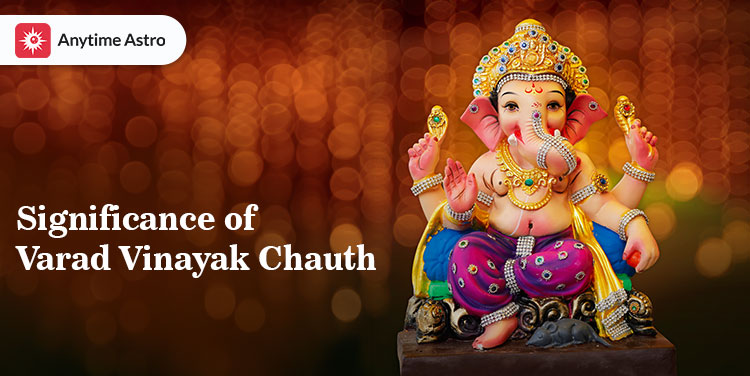


The Varad Vinayak Chauth ceremony is carried out by devotees on the fourth day of the Navratri celebration. On the eve of Navratri, this day is honored with a Kushmanda Puja celebration. The ceremony is performed to honor the Varad Vinayak statue, an image of Lord Ganesha who appeared to free Mukundu Devi from her transformation into a plant. Varad Chauth denotes Lord Ganesha's benediction. Many people refer to Ganesh as Vinayaka or Vighanhartha.
Every month Chauth Tithi has a connection to Lord Ganesha. Each Chauth has a unique name, much like Lord Ganesha has several names. Varad Vinayak Chauth is another name for Sawan month's Chauth. On Varad Vinayank Chauth, it is fortunate to worship Shri Ganesh at midday and at midnight.
Varad Vinayank Chauth Story (Vrat Katha)
According to Hindu mythology and traditions, Rishi Vachaknavi and his wife Mukunda are said to have resided in a forest. During the hunt, Prince Rukmangada made a pit stop close to Sage Vachaknavi's home. Mukunda voiced her desire for the Prince after feeling drawn to him. Prince Rukmangada, however, turned down the offer and fled the area. Knowing this, Lord Indra adopted the persona of Rukmangada and granted Mukunda Devi's wish. Later, Gritsamada, the son of Mukunda Devi, was born.
Also See: Vinayaka Chaturthi This Month
Mukunda Devi was eventually cursed by her own son when Gritsamada learned the truth about his birth, and as a result, she was changed into a thorny berry-bearing Bhor plant. Mukunda then cursed Gritsamada, saying that he would give birth to a devil as a son. They both listened as a voice declared that Gritsamada was the offspring of the deity Indra. They were both surprised by this, but the curses were unbreakable even if Mukunda Devi changed into a plant called a Bhor. Gritsamada visited the Pushpak woodland out of penitence and humiliation.
Also See: Today Shubh Muhurat Time
Gritsamada performed severe penance and prayed to Lord Ganesha in order to be freed from this curse. Gritsamada's penance and adoration of the gods greatly delighted Lord Ganpati, who also granted him the blessing of having a son who would be unconquerable by anybody in the world but Lord Shiva.
Gritsamada likewise requested that the forest get his heavenly favor. He also requested that Lord Ganesha reside in the Pushpak jungle and said that he wanted to be acknowledged as a real Brahmin. Gritsamada's requests were all granted. Gritsamada referred to the god as Varad Vinayak, the fulfiller of all aspirations.
Any devotee who worships and prays to Varad Vinayak on the eve of Varad Vinayak Chauth will be blessed and will gain knowledge and success thanks to Lord Ganesha, who poured his heavenly blessings on the forest. Gritsamada was set free and the entire forest was blessed with the help of Lord Ganpati's avatar Varad Vinayaka's heavenly graces. Since then, Lord Ganesha has been worshiped on Varad Vinayak Chauth.
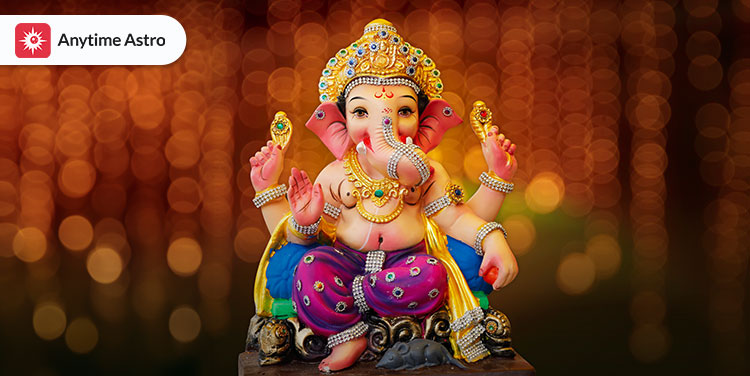
Varad Chauth Puja Vidhi
Varad Vinayak Chauth Puja Vidhi is typically performed in the afternoon. Ruja Vidhi is as follows:
- Firstly, Lord Ganesha's idol should be placed in the location.
- Some devotees also engage in daylight fasting.
- Ganesha offerings like laddus, durvas, rolis, atars, and flower garlands are prepared.
- Chanting the specific phrase while giving Durva to Ganesha is required:
- Ghee and camphor should be used to light an aarti lamp.
- Everyone should get Bhog as prasad after offering it to Lord Ganesha.
- While keeping the fast, one can eat fruit in the evening. It is advisable to worship Lord Ganesha once more in the evening before eating fruit.
- Food should first be provided to the Bhramin after the pooja, and then the devotee can eat.
Also See: Today Rahu Kaal Timing
If you're interested in learning more about Varad Vinayak Chauth in-depth, get in touch with astrologers at Anytime Astro.





Leave a Comment