


Every day, when you pray after taking a bath, your elders ask you to apply a tilak on your forehead. Many of us readily follow their request, while some happily ignore it. Most are unaware that applying Tilak on the forehead is more than just a religious symbol, as it has significance spiritually, culturally, psychologically, and even scientifically. Putting Tika on the forehead offers multiple benefits, apart from being a sacred tradition, as it helps awaken the third eye chakra, thereby improving focus and promoting peace of mind. In this blog, we will learn the meaning, significance, and benefits of Tilak on the forehead. So, let us begin!

Tilak on Forehead
Applying Tilak on the forehead is one of the oldest rituals practiced for ages in Hinduism. It is used during religious festivals, daily rituals, or temple visits, as it denotes a spiritual bond between the devotee and the divine. The tika can be a visual representation of inner purpose and purity. The location of the tilak, the centre of the forehead between the eyebrows, is significant and is known as the Ajna or 3rd Eye Chakra, which is related to clarity, intuition, and spiritual awakening.
Spiritual Significance of Tilak on Forehead
One of the benefits of Tilak on the forehead is that it activates the Ajna or Third-Eye Chakra, which governs inner wisdom and spiritual insight. Putting Tika on the forehead at this point can improve focus while praying and meditating. It also helps foster clarity and intuitions, and reminds us of spiritual goals and responsibilities. This tradition enables practitioners to be spiritually more aligned, reminding them of their dharma and connection to the universe.
Also know: Right Eye Twitching for Male Meaning in Astrology
Religious Importance of Tilak on Forehead
Hinduism mentions that rituals play a crucial role in invoking divine blessings. Putting tika on the forehead is an integral part of daily prayers, festivals, sacred ceremonies, yagnas, and temple visits. This tilak is a holy symbol of piousness and auspiciousness that creates a subtle spiritual guard around the person, enabling them to carry a divine energy throughout the day.
Psychological Benefits of Tilak on Forehead
Psychologically, applying a tilak on the forehead can offer devotees mental and emotional well-being. It helps calm the mind, as the ingredients chandan (sandalwood) and haldi (turmeric) have cooling properties that reduce anxiety. Another benefit is that a tika can boost focus and reduce stress by stimulating the center between the eyebrows. Wearing a tilak drives optimism by instilling confidence, grounding, and a sense of protection.
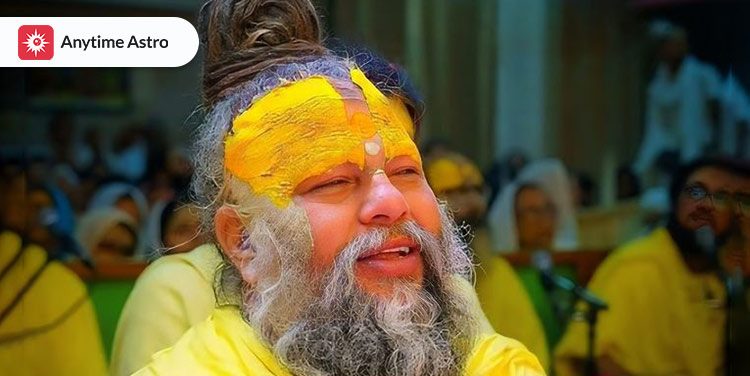
Scientific and Ayurvedic Significance of Tilak on Forehead
As per Ayurveda, the spot between the eyebrows is known as Bhrumadhya, a major nerve point. Applying Tilak on the forehead at this spot stimulates the brain centers related to focus, memory, and awareness, regulates blood circulation of the forehead, releases stress, and balances body temperature. Thus, the tika application holds more than spiritual benefits, as mentioned in Ayurveda.
Types of Substances Used for Tilak on Forehead
Let us learn about the different types of substances with which you may do the tilak, with their benefits:
- Chandan (Sandalwood): Chandan is cooling and soothing, used by devotees of Lord Krishna and Vishnu. It represents clarity and purity.
- Kumkum (Vermilion): Kumkum is made from turmeric and lime, and symbolizes feminine energy and Shakti. It is usually worn by married women.
- Vibhuti (Sacred Ash): Vibhuti can be derived from the burning of cow dung in yagna, associated with Lord Shiva. It represents detachment from ego and surrender.
- Sindoor: Sindoor is worn by married Hindu women on their hair parting. It symbolizes the marital status of a woman and blessings for the longevity of her husband.
- Haldi (Turmeric): Haldi contains antibacterial and purifying qualities, promoting auspicious energies. It is usually used in South Indian traditions.
- Bhasma: Made from the ashes of sacred herbs, Bhasma denotes the impermanence of life. Applying it helps awaken the soul to spiritual truth.
Also know: Meaning Of Nakshatras and Their Personality Traits
Scientific Validation of Tilak on Forehead
Studies have shown that the area between the eyebrows, the Ajna Chakra, is sensitive to electromagnetic energy. Stimulating this point can activate your pineal gland, which regulates your sleep and consciousness. It further stabilizes brain waves and improves your meditative state. Applying a tilak on the forehead is also known to balance the empathetic nervous system and reduce stress levels. Thus, even scientifically, the usage of aromatic, natural pastes such as chandan, vibhuti, and haldi stimulates the mentioned effects.
Symbolism of Tilak on Forehead
In Hinduism, the types of Tilak on the forehead may vary in style and symbolism, based on the deity a person worships, mirroring their inner alignment and spiritual path. The devotees of Lord Vishnu and his avatars are known as Vaisnavites and wear a U-shaped tilak called Urdhva Pundra, with a vertical line in the middle. This U-shape tika, made using sandalwood paste or Gopi Chandan, marks devotion and surrender and the sacred feet of Lord Vishnu.
Shaivites, the followers of Lord Shiva, apply three horizontal lines (Tripundra) on the forehead using holy ash called vibhuti. These lines represent the trident(trishul) of Shiva and signify purity, renunciation, and control of the ego, ignorance, and adverse karma.
Shaktas are worshippers of the Divine Mother, Devi, who wear a red dot or triangle-shaped tika on the forehead made using kumkum or vermilion. It denotes the third eye of the Goddess, embodying strength, inner power, and the feminine energies.
All types of tilak on the forehead visually express one's spiritual devotion, aligning with divine energy and cosmic order. The Tika on the forehead not only identifies but also invokes blessings, establishes sacred purpose, and awakens the divine consciousness within the individual.
Also know: Which Color to Wear On Which Day According to Astrology
Benefits of Applying Tilak on the Forehead
When applied daily, the benefits of the tilak on the forehead are as mentioned:
- It helps spiritual alignment by keeping individuals spiritually connected to dharma.
- Applying tika protects the natives from negative energies and the evil eye.
- It enhances mental clarity and emotional stability by promoting mental peace.
- It benefits self-awareness by fostering mindfulness and intentional living.
- Wearing a tika echoes spiritual identity and inner strength.

Step-by-Step Application of Tilak on Forehead
Here is how you can apply a tilak on your forehead:
- Choose from the substances - kumkum, chandan, or vibhuti.
- Take an early morning bath, and ensure your forehead is clean.
- Use your ring finger to apply tilak, as it is considered spiritually sensitive and pure.
- Peacefully, chant mantras, such as "Om Namo Narayana" or "Om Namah Shivaya".
- Apply Tika on the forehead between the eyebrows by pressing lightly and stimulating the energy points.
Though this process may take only a few moments, its impacts are long-lasting.
Frequently Asked Questions
Q.1 Can people of all religions wear a Tika on the forehead?
Ans. Yes, people of all religions can apply tilak to earn various benefits.
Q.2 Can children apply Tika on the forehead?
Ans. Yes, children can apply tika on their foreheads, particularly during rituals or festivals, as it is considered protective and auspicious.
Q.3 Is it mandatory to put Tika on the forehead daily?
Ans. No, though not mandatory, putting tilak on the forehead daily enhances its benefits as a spiritual habit.
Q.4 Which is the best time to apply the tilak on my forehead?
Ans. The best time to apply tilak on your forehead is after taking a bath in the morning or during any religious activity.





Leave a Comment