

Do you wish to know how your planets are influencing your relationship with your spouse? Do you want to check the dynamics you may share with your future business partner? Do you wish to understand why your relationship with your parents has unfolded the way it has? If the reply is yes, you may very well look forward to your Synastry chart for answers.
The word synastry stems from Greek roots and roughly means together stars, meaning it brings two astrological charts together to observe the way the planets interact and influence their relationships. The Synastry report not only predicts an ideal match or unavoidable challenges, but it is also about appreciating the course of energy interaction and how we work on them. In this blog, we will learn about synastry chart reading by understanding its meaning, how to read by aspects, houses, and planets, in addition to all relevant details. So, let us begin!
What is Synastry Reading?
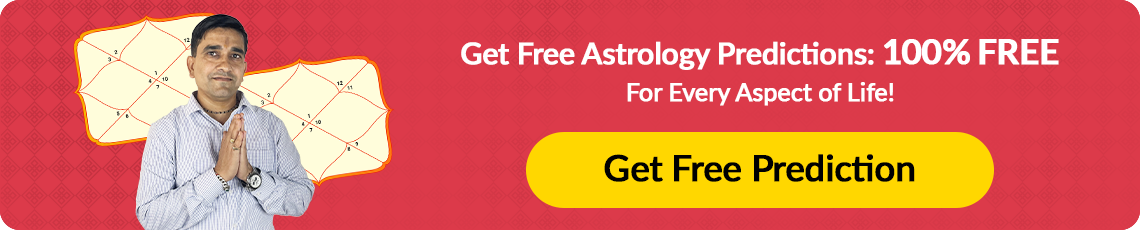
A synastry reading in astrology overlays the birth charts of two individuals by comparing the planetary placements within the zodiac signs and houses, helping to perceive how both perceive and influence each other. The sources may classify planetary interactions as harmonious or challenging, although modern astrologers consider these connections neutrally. Each of these interactions has inherent potential that can enhance or impair the relationship, depending on how it is understood. For instance, opposites or difficulties can cause tensions, but also push both individuals to grow. Thus, synastry is about the leap of energies rather than set outcomes.
Reading Your Synastry Chart
The Synastry chart calculator is a composite of two natal wheel charts. Usually, the chart of one partner occupies the inner ring exhibiting the planetary placements and houses, whereas the outer ring shows the chart of another person. Understanding where the planets of one individual fall into the house of the other partner helps understand how they experience different aspects of their life together. For example, if your Sun illuminates the seventh house of your partner, you both are naturally considered 'relationship material.' To seek an astro synastry, experts require the exact date, time, and place of birth of both partners.
Aspects in Synastry Chart
The angles formed between planets represent the relationship within an individual birth chart, whereas the interaspects define the dynamics between two individuals’ planets. Let us learn about these angles that reveal the effortless and negotiating pointers for a deep connection.
- Conjunction (0°): Planets occupy the same zone, producing a powerful sense of recognition.
- Sextile (60°): These angles facilitate mutual support through difference. Sextiles may create sparks, but can also devise appreciation.
- Square (90°): Squares are usually friction points that reveal areas of repeated conflict or irritation, but also hold the possibility for transformation.
- Trine (120°): It is one of the easiest of aspects, as Trines create natural flow, balance, and enjoyment.
- Opposition (180°): The energy of opposition forms attraction through contrast. They may complement each other, but also feel like rivals if a balance is missing.
Houses in Synastry Chart
The houses reveal the areas of life that are activated due to the influence of your partner in the synastry report. Let us now understand which houses are considered for this:
- Seventh House: The seventh house governs committed relationships, contracts, and marriage.
- Eighth House: This house is described as the house of intimacy and transformation, and manages deep bonds, finances, and even karmic ties.
- Fifth House: The 5th house is lively, romantic, and creative, and planets placed here energize lighthearted love, passion, and children.
Apart from these key houses, the sixth and ninth houses also help us determine daily responsibilities and service, as well as growth through higher learning, travel, or shared spiritual pursuits, respectively.
Planets in Synastry Chart
The planets in synastry play a unique role in relationships, especially when associated with aspects and house placements.
- Moon: As this planet governs emotions, instincts, and nurturing, when balanced, its interaspect fosters security, empathy, and emotional belonging; while the challenging ones reveal differences in addressing feelings, potentially leading to misunderstandings.
- Venus: This planet exhibits attraction styles, relationship ideals, and affection. A favorable placement may present captivating and effective communication, while an unfavorable placement demands growth through perseverance and lessons around love boundaries.
- Mars: Mars represents energy, ambition, and sexual desire. A synastry chart shows where one partner energizes or disturbs another.
- Sun: The Sun represents life force and identity. In the Synastry report, this planet reveals that connections thrive on shared goals or key differences.
- Mercury: As Mercury governs communication, reasoning, and information flow, when supported, it becomes easy for partners to communicate, as their challenging aspects result in emotional disconnect.
- Ascendant: The rising sign indicates how two individuals face life. A trine between ascendants implies shared pace and compatible impulses, while disagreeing ascendants may demonstrate contradicting approaches to partnership.
- Outer Planets: The influence of the outer planets in the synastry reports usually hints at karmic themes, generational bonds, or life lessons.
How to Use a Synastry Chart Practically?
You can grab your free synastry report to seek guidance in:
- Your love relationship dynamics with your partner, like points of connection, tensions, or differences.
- Your relationship with children, as the sinastri chart helps define their needs, which is determined by the Moon and Mercury placement in particular.
- Your friendship dynamics with your close friends, including communication, learning, or support.
- Your relationship with your business partner, including shared responsibilities, challenges, and more.
To understand the relationship dynamics with your partner, friend, sibling, or parent, reach out to experts over a free online chat with an astrologer in India. Remember, the most accurate free synastry report will help you understand that relationships are alchemical. Two individuals carry their own karmic records and meet in this life to build something completely anew. The planetary combinations disclose not only compatibility but also the spiritual purpose, lessons, and growth of the connection.
Frequently Asked Questions
Q.1 What is the meaning of synastry in astrology?
Ans. The meaning of synastry in astrology is comparing the birth charts of both partners to understand how planetary transits influence their relationship dynamics.
Q.2 What details do I need to create a synastry chart?
Ans. You need the exact details of both partners, i.e., the date, time, and place of birth, to calculate the planetary placements and house overlays.
Q.3 Is the synastry chart different from a matchmaking by birth chart?
Ans. Yes, the matchmaking through natal chart maps the planetary positions of the partners at birth, while a synastry chart layers two natal charts together to observe how they interact.
Q.4 What does aspects mean in a synastry chart?
Ans. Aspects are angles between the planets of two people that depict harmony, attraction, or tension. The standard aspects are conjunctions, squares, trines, oppositions, and sextiles.
Q.5 Which are the most important houses for relationship synastry?
Ans. The most important houses for a relationship synastry are the 5th (romance), 7th (partnerships), and 8th (intimacy).
Q.6 How do planets impact synastry readings?
Ans. The planets Sun, Moon, Venus, Mars, and Mercury have an impact on a personal level, i.e., attraction, emotions, identity, and communication, while outer planets represent long-term or karmic lessons.
Q.7 Does astro synastry apply only to romantic relationships?
Ans. No. The synastry reading can be performed for family, friends, and even business partners, offering insights into compatibility and challenges.





Leave a Comment