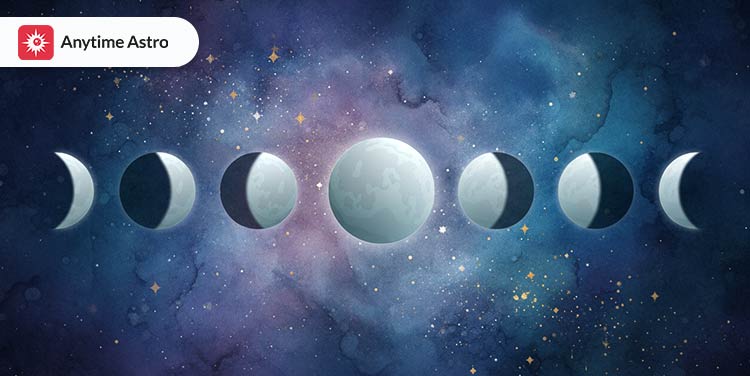


The first and foremost thing to consider before scheduling an important event is to check auspicious dates and timings. Whether it is a naming ceremony, housewarming, a wedding, or even a small ritual, we never fail to consult the experts and seek the when, what, and how of the event. The Shubh Muhurat is an essential element determined by studying the Hindu lunar calendar and Panchang. When you reach out to experts for finalising the Shubh Muhurat, you may encounter terms like Shukla Paksha and Krishna Paksha, which play a crucial role in determining the right time for starting new ventures or conducting religious ceremonies. In this blog, we will learn about both these Pakshas, understand what they mean, the differences between them, and why they hold such prominent religious and astrological significance. So, let us begin!

What is the Meaning of Paksha?
According to Hindu calendrical systems and Vedic astrology, Paksha is half of a lunar month (which is also the duration the Moon takes to complete its revolution around the Earth, lasting 30 days). The literal meaning of the Sanskrit word “Paksha” is “side” or “phase.” Thus, a Paksha represents one side of the lunar cycle. The Paksha marks a gradual transformation in the appearance of the Moon, which profoundly impacts religious obedience, personal activities, and astrological calculations.
The Lunar month is divided into two fortnights, each lasting approximately 14–15 days. These two halves are called Shukla Paksha and Krishna Paksha. Astronomically, the Moon spans about 12 degrees of the zodiac each day, concluding its cycle in around 30 days. This regular and constant motion of the Moon forms the basis of its fortnightly waxing and waning phases, mentioned in the Hindu calendar as Pakshas.
What is Krishna Paksha Tithi?
The Krishna Paksha is a fortnight that onsets the day after Purnima (or Full Moon) and concludes on Amavasya (or New Moon). The Moon gradually withers and reduces its brightness every night until it becomes thoroughly invisible on Amavasya. The days and timings in this waning phase are known as the Krishna Paksha Tithi. Krishna Paksha is a time for reflection, retreat, and introspection. Spiritually, it is a favorable period of self-refinement, meditation, penance, and detachment.
This phase of the Moon is also compared to the complexion of Lord Krishna, as he was known for his Shyam or dark skin tone, symbolically and historically. For this very reason, this waning phase is named Krishna Paksha. Religious activities and rituals, such as Amavasya fasts, Shraddha (ancestral rites), and specific Tantric practices, are observed during Krishna Paksha, as this period emphasizes cleansing, letting go, and spiritual deepening.
What is Shukla Paksha Tithi?
Shukla Paksha is the companion of Krishna Paksha, representing the waxing phase of the Moon. This phase starts from the Amavasya or New Moon and lasts until the Purnima or Full Moon. Every night, the Moon expands steadily in size and brilliance, representing growth, energy, and development. The meaning of Shukla is pure or bright, as this phase is marked by rising radiance. A Full Moon, concluding on Shukla Paksha, portrays complete illumination and fulfillment.
In Hinduism, Shukla Paksha Tithi is considered especially auspicious, as several significant Hindu festivals, including Navratri, Guru Purnima, and Raksha Bandhan, are observed during this period. It is also regarded as an ideal time for starting new beginnings, whether entering a new home, launching a business, getting married, or participating in temple rituals.
Difference Between Krishna Paksha and Shukla Paksha
Though the main difference between Shukla Paksha and Krishna Paksha is the radiance of the Moon, where the former represents growth and the latter decline, there are some others that hold rich symbolic and religious significance, as mentioned below:
- Shukla Paksha means bright, representing growth, purity, light, and creation. On the other hand, Krishna Paksha means dark, implying depth, withdrawal, spirituality, and endings.
- Symbolically, Shukla Paksha denotes prosperity, expansion, and fresh opportunities, whereas Krishna Paksha represents completion, closure, and reflection.
- The activities you can conduct during the next Shukla Paksha include new ventures, religious functions, and joyful celebrations, while those during the Krishna Paksha, spiritual retreats, ancestral rites, and cleansing rituals.
- The Shukla Paksha heralds a forward-looking energy loaded with creativity and optimism, whereas the Krishna Paksha harbors introspective energy that directs one toward self-discipline and detachment.
Which Paksha is Considered Auspicious?
In Hinduism, the Shukla Paksha is usually considered auspicious among both the Pakshas. The waxing phase of the Moon, aligning with positive undertakings, represents growth, plentitude, prosperity, and growing light. When you reach out to experts over a free chat with an astrologer in India, they recommend initiating the major life events during this phase for favorable outcomes.
Let us understand it more precisely. The period between the tenth day (Dashami) of the Shukla Paksha and the fifth day (Panchami) of the Krishna Paksha is regarded as fruitful. The brightness of the Moon is at or near peak during this phase, representing balance and strength. It is an ideal period for sacred rituals, spiritual practices, or even personal milestones. For this reason, Muhurat calculations rarely reveal good or bad periods but are analyzed based on the Moon’s precise position, corresponding nakshatras, planetary alignments, and yogas.
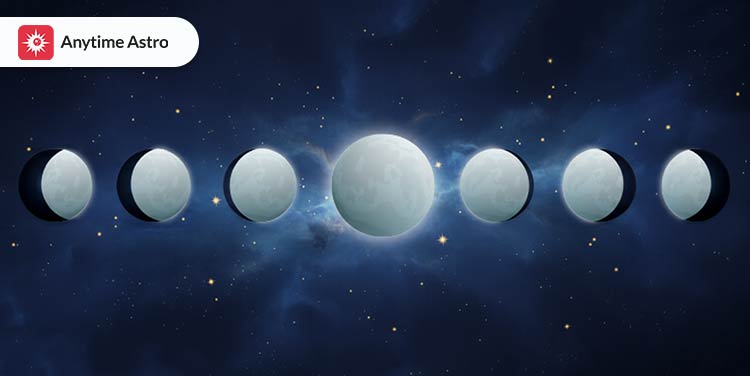
Shukla Paksha And Krishna Paksha Calendar 2025
Let us determine the Shukla Paksha tithi and Krishna Paksha tithi 2025:
|
Month |
Shukla Paksha Tithi 2025 |
Krishna Paksha Tithi 2025 |
|
January 2025 |
Jan 29, 6:06 pm - Jan 30, 4:11 pm |
Jan 14, 3:56 am - Jan 15, 3:21 am |
|
February 2025 |
Feb 28, 6:14 am - Mar 01, 3:16 am |
Feb 12, 7:23 pm - Feb 13, 8:22 pm |
|
March 2025 |
Mar 29, 4:27 pm - Mar 30, 12:49 pm |
Mar 14, 12:24 pm - Mar 15, 2:33 pm |
|
April 2025 |
Apr 28, 1:01 am - Apr 28, 9:11 pm |
Apr 13, 5:52 am - Apr 14, 8:25 am |
|
May 2025 |
May 27, 8:32 am - May 28, 5:02 am |
May 12, 10:25 pm - May 14, 12:36 am |
|
June 2025 |
Jun 25, 4:01 pm - Jun 26, 1:25 pm |
Jun 11, 1:13 pm - Jun 12, 2:28 pm |
|
July 2025 |
Jul 25, 12:41 am - Jul 25, 11:23 pm |
Jul 11, 2:06 am - Jul 12, 2:09 am |
|
August 2025 |
Aug 23, 11:36 am - Aug 24, 11:48 am |
Aug 09, 1:25 pm - Aug 10, 12:10 pm |
|
September 2025 |
Sep 22, 1:24 am - Sep 23, 2:56 am |
Sep 07, 11:38 pm - Sep 08, 9:12 pm (Pratipada Shraddha) |
|
October 2025 |
Oct 21, 5:55 pm - Oct 22, 8:17 pm |
Oct 07, 9:17 am - Oct 08, 5:53 am |
|
November 2025 |
Nov 20, 12:17 pm - Nov 21, 2:47 pm |
Nov 05, 6:49 pm - Nov 06, 2:55 pm |
|
December 2025 |
Dec 31, 3:56 am - Jan 01, 3:22 am Dec 20, 7:13 am - Dec 21, 9:11 am |
Dec 05, 4:44 am - Dec 06, 12:56 am |

Frequently Asked Questions
Q.1 What is Shukla Paksha?
Ans. Shukla Paksha is known as the waxing or brightening phase of the Moon. It starts from the New Moon (Amavasya) to the Full Moon (Purnima), representing growth, prosperity, and auspiciousness.
Q.2 What is Krishna Paksha?
Ans. Krishna Paksha is the waning or fading phase of the Moon that begins after Full Moon (Purnima) and ends at New Moon (Amavasya). This phase represents withdrawal and introspection.
Q.3 Krishna Paksha or Shukla Paksha—which is good?
Ans. Shukla Paksha is considered more auspicious as it represents growth and prosperity. However, it largely depends on the activity, as auspicious tithis are available in both Pakshas.
Q.4 When is Shukla Paksha this month?
Ans. Shukla Paksha begins after Amavasya and lasts until the next Purnima. You can check the Hindu Calendar to determine the Shukla Paksha this month.
Q.5 What is the difference between Shukla Paksha and Krishna Paksha?
Ans. The difference between the two is that the Shukla Paksha is the bright waxing phase of the Moon, while the Krishna Paksha is the dark waning phase.
Q.6 What is the significance of Shukla Paksh?
Ans. Shukla Paksha is regarded as a phase of growth and satisfaction, and represents Sattva (purity & harmony), making it ideal for worship, celebrations, pilgrimages, and prosperity rituals.
Q.7 What is the significance of Krishna Paksh?
Ans. Krishna Paksha refers to a return to inner strength and wisdom, and is related to Tamasic elements that encourage renunciation and in-depth introspection.
Q.8 What do Krishna Paksha and Shukla Paksha teach us?
Ans. These tithis teach a balance and advise us to grow and expand outwardly (Shukla), but also ask us to pause, let go, and reflect inwardly (Krishna).





Leave a Comment